We have all heard how a diet high in sodium chloride, aka salt, is not a healthy one. The media has preached endlessly in the past, urging us to stay under the recommended 5g per day limit, for fear of finding ourselves with the dreaded high blood pressure.
For us sensible ones, this has led to a reluctant restructuring of the palate, in order to accommodate the once tasteless prospect of under seasoning our meals. Ready-meal producers have come under close scrutiny to reduce the amount of salt contained in their products.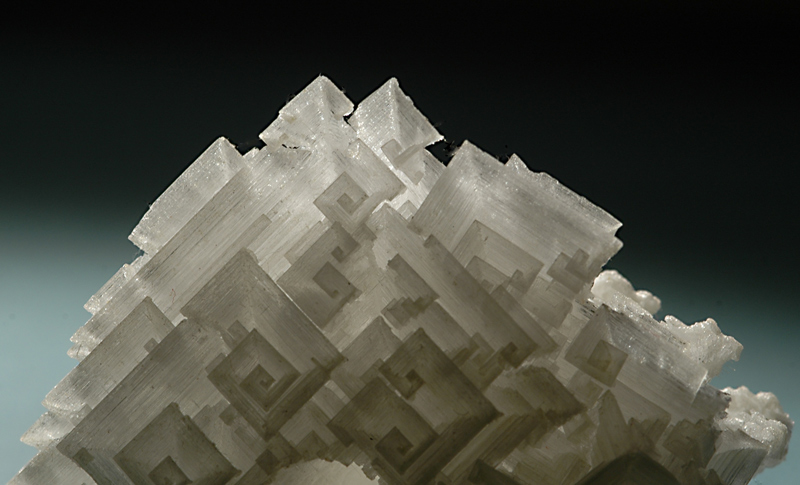
Whilst too much of anything is bad for us, a A 2011 study in the Journal of the American Medical Association found that too little sodium can be just as dangerous. The study found a strong correlation between low sodium diet and cardiovascular death and hospitalization due to increased plasma levels of substances, including cholesterol. The risk of this far outweighed the benefit of a reduction in blood pressure. This is particularly important for athletes participating in endurance sports, who lose a lot of salts through sweat
The recommended daily intake of sodium is 2-3 grams per day. This of course may vary for those with certain medical conditions which warrant a restriction. When it comes down to it, the old cliché of feeding our body what we think it needs and following our palate, may ring true.
Despite all these guidelines, there has to be more to this than meets the eye surely? Humans have been consuming natural “salt” for thousands of years. The real key to all this is the commonly neglected sibling of sodium; potassium, which is an equally important part of our diets.
These two nutrients offset one another to the point where getting enough potassium may in fact negate the need to reduce our sodium intake so strictly. Processed foods and table salt are notoriously low in potassium yet high in sodium so no wonder we aren’t getting enough in our diets. Maintaining a good sodium/potassium balance has numerous benefits including optimising heart health, reducing the chances of muscular weakness and cramps.

A diet rich in potassium helps offset the hypertension caused by sodium. Another 2011 study published in the Archives of Internal Medicine found a that participants who took a higher intake of potassium than sodium had reduced risk of cardiovascular diseases. If you suffer from bloating, especially after eating, then getting the right balance of potassium and sodium will most likely banish these symptoms.
The recommended daily intake of potassium for an adult is around 5 grams. As someone who tracks their macronutrients, I can easily see how much sodium and potassium is purportedly in the food I eat. If you are not willing to do this, just increasing your potassium intake will help. Here are some simple ways to help balance the ratio:
- Use “lo salt” as an alternative to normal table salt, this is readily available in most supermarkets and contains 66% potassium chloride as opposed to sodium chloride;
- Stay off the cured meats and processed ready meals;
- Take daily potassium supplements, available online or at health food shops;
- Increase your intake of potassium rich foods such as spinach, sweet potato, plain non-fat yogurt, banana and broccoli.
Unsurprisingly, eating wholesome natural foods should provide us with the level of nutrients we require in life to remain healthy. Modern life has caused us to lose our way a bit but being aware of some of the unseen consequences of this will hopefully steer us in the right direction.
 collective reveries